
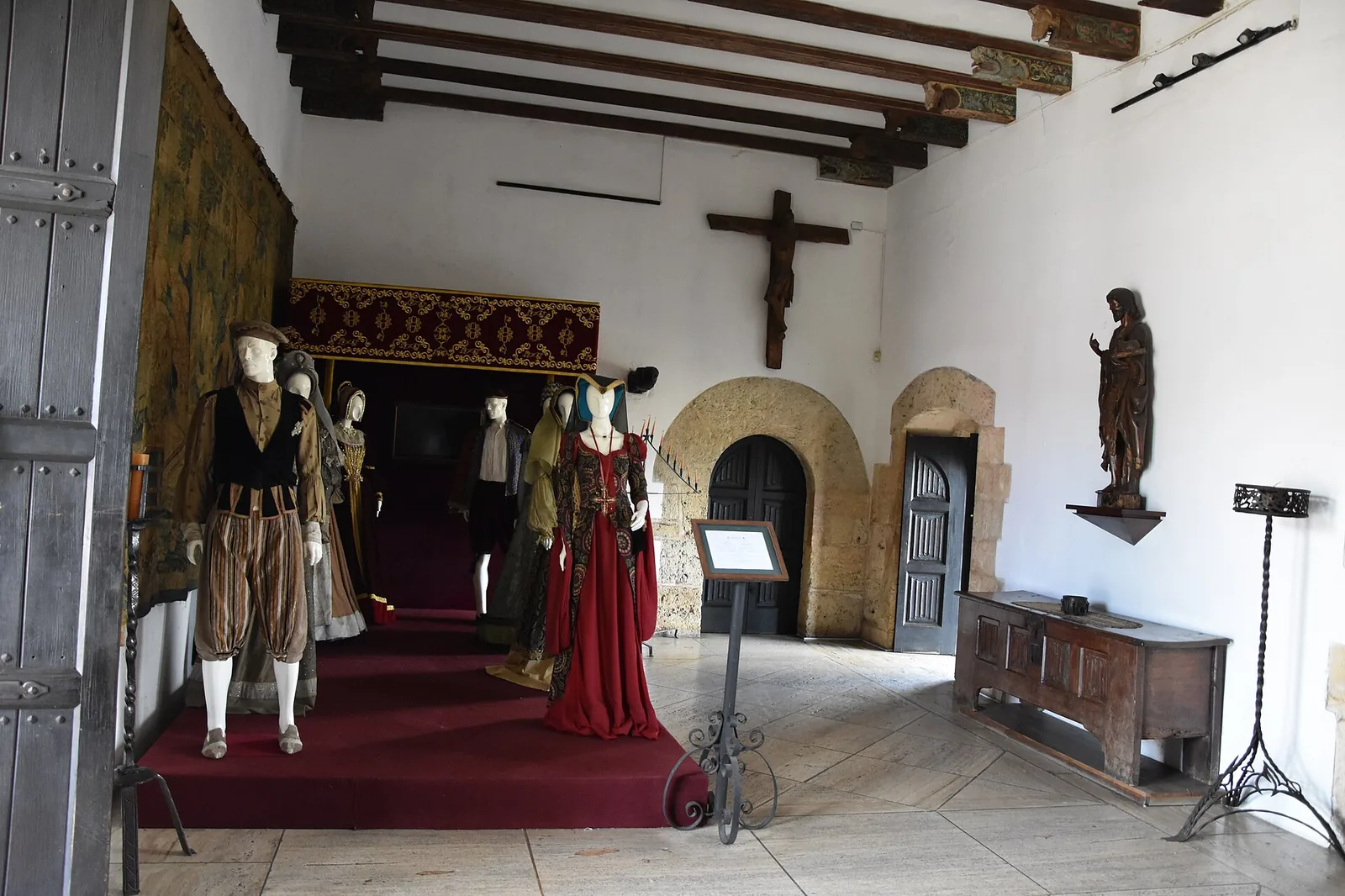

Santo Domingo keeps its history in two places. The colonial museums sit in the old stone buildings of the Colonial Zone, and the national museums share one big square, the Plaza de la Cultura, a short ride inland from the Malecón. Add a private collection of Dominican painting on the fifth floor of a car dealership, and a memorial to the people who stood up to a dictator, and you have plans for several rainy afternoons.
The Plaza de la Cultura
The Plaza de la Cultura Juan Pablo Duarte, on Avenida Máximo Gómez, holds four national museums around one set of gardens and fountains: the Museo del Hombre Dominicano, the Museo de Arte Moderno, the Museo Nacional de Historia y Geografía and the Museo Nacional de Historia Natural. The National Theater, the Teatro Nacional Eduardo Brito, stands on the same square.
Because the museums are next to each other, it is easy to see two in an afternoon and walk between them through the gardens.
The Museo del Hombre Dominicano
The Museum of the Dominican Man is the country's museum of its first peoples. Its collection holds pre-Taíno and Taíno pieces, and it is also a center for anthropological research. It opened in 1972 and reopened in 2022 after four years of remodeling.
Its exhibitions change through the year. In July 2026 it was showing Cemíes, Dúhos y Rituales Aborígenes, on the ritual objects of the island's native peoples.
The Museo de Arte Moderno
The Museum of Modern Art, on Avenida Pedro Henríquez Ureña at the edge of the square, shows 20th-century Dominican art alongside temporary exhibitions. It also hosts the national biennials of architecture, visual arts and Caribbean art.
If you like the painting here, keep the Museo Bellapart, below, for another afternoon: the two collections cover the same century from different angles.
The Museo Nacional de Historia y Geografía
The National Museum of History and Geography reopened in April 2026 with seven renovated rooms. They cover the April War of 1965, La Patria, the country's presidents, the Trujillo dictatorship, the guerrilla of Francisco Caamaño, the museum's collection of historic pieces, and a garden named for the educator Eugenio María de Hostos. It is the place to understand the 20th century before you visit the memorial in the Colonial Zone.
The museums of the Colonial Zone
The Colonial Zone's museums are in the buildings they describe. The Museo de las Casas Reales was the Royal Court in the 16th century, with the governor's palace, the treasury and the courts. It tells Dominican history from 1492 through slavery to the first independence from Spain in 1821, with displays on Columbus's voyages, ship models and period weapons.
The Colonial Zone guide covers the Casas Reales with the Alcázar de Colón, the Fortaleza Ozama and the smaller house museums along the same streets, and how to walk them in a morning.
The Museo Memorial de la Resistencia Dominicana
The Memorial Museum of the Dominican Resistance, at Calle Arzobispo Nouel 210 in the Colonial Zone, tells the story of the Trujillo dictatorship and of the people who resisted it. It covers the massacre of Haitians in 1937 and the murder of the Mirabal sisters in 1960. It is closed on Mondays.
It is a serious museum, and a good one to see after the history rooms in the Plaza de la Cultura, which set out the years it is about.
The Museo Bellapart
The Museo Bellapart is a private museum on the fifth floor of a Honda building on Avenida John F. Kennedy. You go in through the car showroom and take the elevator up. Inside are more than 2,000 works by Dominican artists of the 19th and 20th centuries, including the most complete collection of the modernist painter Jaime Colson. Entry is free.
Free museum days
Once a year the Ministry of Culture opens every state museum for free during the Noche Larga de Museos. In 2026 it ran from Friday, May 15 to Sunday, May 17, with guided tours and talks, and the Plaza de la Cultura museums took part.
The state museums of Santo Domingo also stay open during Semana Santa, the Easter week, when many other places close.
The Plaza de la Cultura in the evening
The square is more than its museums. The National Theater stages plays, opera and the National Symphony Orchestra, and the Santo Domingo International Book Fair is held on the square: in 2026 it ran from September 24 to October 4 with more than 700 activities.
Planning museum days
- Opening days and hours change, and several museums close one day a week. Check before you set out.
- Pair the Plaza de la Cultura museums in one afternoon, and the Colonial Zone museums in a morning.
- Museums are good plans for the hottest hours and for rainy afternoons; the things to do guide has more ideas for both.
- The getting around guide explains how to reach the Plaza de la Cultura and the Colonial Zone without a car.
Staying on the Malecón for a city break
The museums are a short ride from the seafront, so you can spend the morning in the city and the evening on the Malecón. See the places to stay.